
In Senegal, people don't buy gold just to shine - they buy it to pass it on. A set of jewelry given at a wedding, a chain inherited from a grandmother, earrings kept for a daughter: gold carries a memory and a status that go far beyond its beauty alone. It is a thread that links the generations.
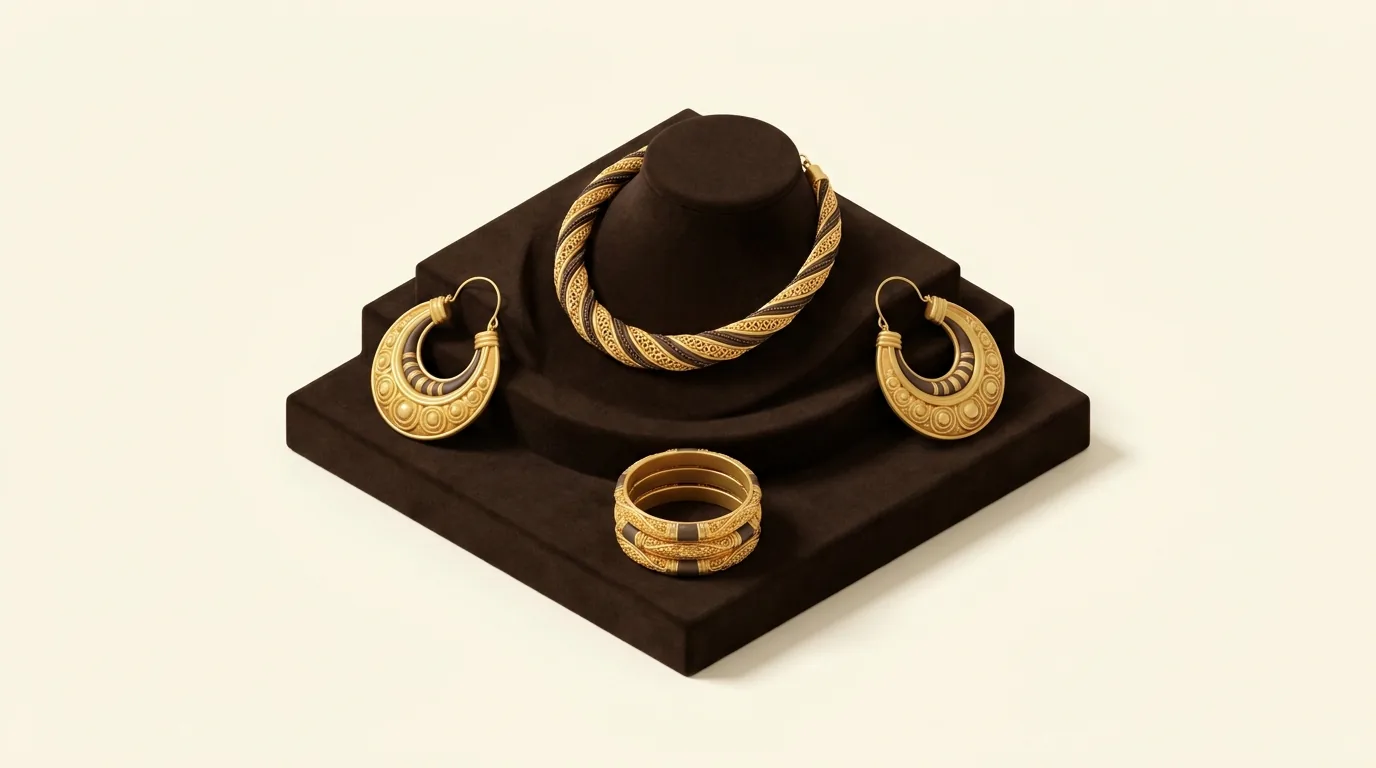
Across much of West Africa, gold accompanies life's most important moments. Understanding this place helps you grasp why these pieces matter so much - and why, alongside their sentimental value, they hold a very real material value.
At Jayma Or, a gold buyer established in Dakar, we encounter this attachment every day: behind every piece, there is often a family story. We test, we weigh in front of you, and we pay cash, the same day, with the respect such a meaningful object deserves.
In this article, you will discover:
- why gold symbolizes status and success in West Africa;
- its central role in weddings and major ceremonies;
- its dimension as an inheritance passed from generation to generation;
- how this cultural value meets its material value.
Gold, a marker of status and success
In many African societies, gold has long been an outward sign of status and prosperity. Wearing fine pieces is a way to show your success, your family's standing, and sometimes your role in the community.
In Senegal, this dimension is very present on major occasions: people bring out their finest jewelry, match it to their outfits, and wear it with pride. Gold is not flashy for the simple pleasure of showing off; it says something about the history and the position of a person or a family.
The role of gold in weddings and ceremonies
If there is one moment when gold takes on its full meaning in West Africa, it is the wedding. Gold jewelry holds a leading place there:
- It is often part of the gifts exchanged between families;
- The bride is traditionally adorned with several pieces - necklaces, bracelets, earrings, rings;
- For a woman, this jewelry forms a personal asset that belongs to her alone.
Beyond the wedding, gold accompanies baptisms, religious holidays, and large family gatherings. It marks life's milestones: each piece becomes the memory of a specific event.
Gold as an inheritance passed down
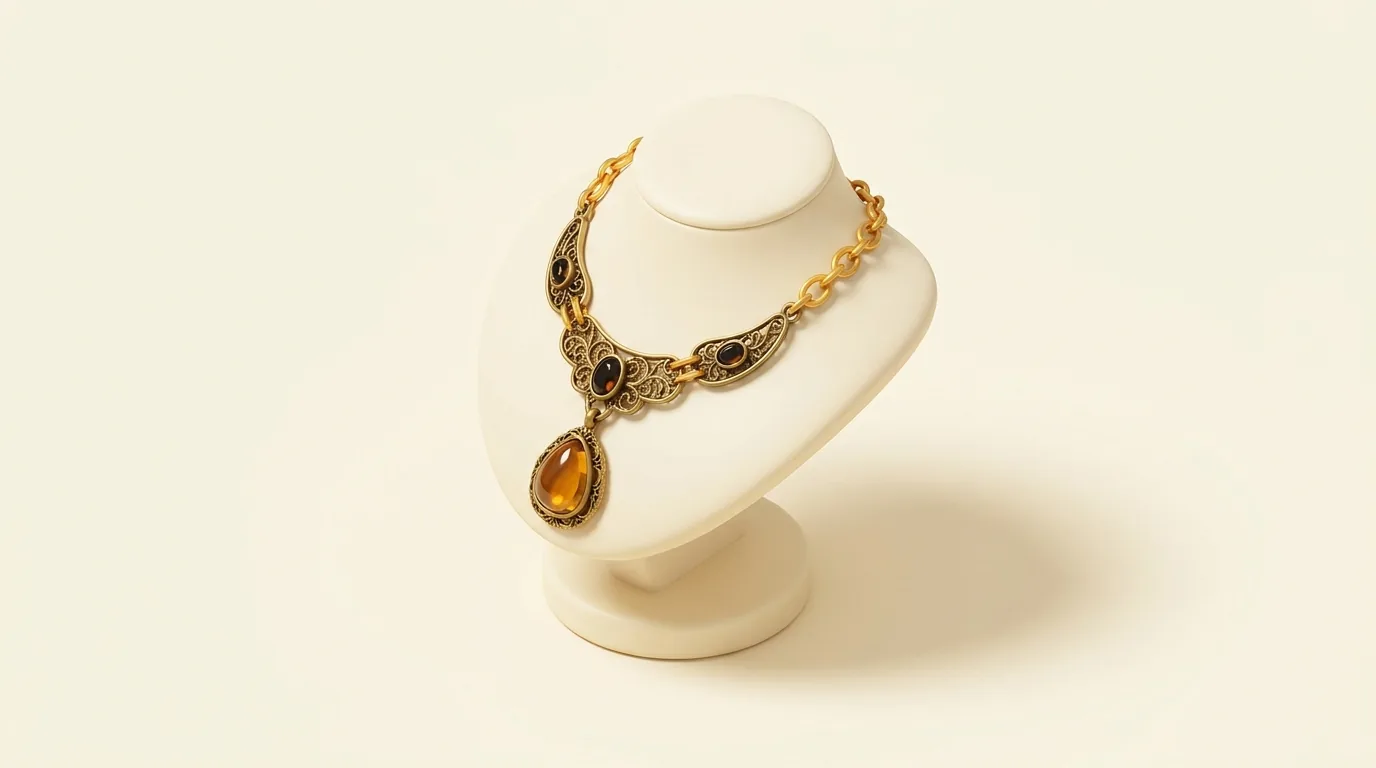
This is perhaps the strongest dimension of all: in Africa, gold is passed on. A set of jewelry is not only worn, it is kept, then given to the next generation. Many families own pieces that have spanned several decades, passing from mother to daughter.
This transmission carries a deep meaning: gold links the living to their elders, and it also serves as a family savings that can be drawn on in times of need. It is one of the oldest forms of financial security: a tangible value kept close at hand.
It is precisely to respect this attachment that we offer gold custody and buyback (réméré): getting cash without selling for good, then recovering your jewelry later. We meet a need for money without breaking the thread of inheritance.
When cultural value meets material value
An African gold piece therefore carries two values at once: a sentimental and cultural value, and a very real material value. The two do not conflict. On the contrary, it is precisely because gold has a genuine market value that it has been able, across the generations, to play this role as a family asset.
This material value is measured simply:
- The karat, that is, the purity of the gold (21K, highly prized in the region, contains 87.5% gold);
- The exact weight, weighed to the gram;
- The day's world rate, which sets the price per gram.
Want to gauge the value of a family piece? The daily buy-price is displayed on our homepage, karat by karat. And to better know the iconic pieces of our cultures, browse our article on the different styles of gold jewelry.
Frequently Asked Questions
Which gold karat is the most common in West Africa?
21 karat (87.5% gold) is especially valued in the region for its balance between gold content and durability. You also find 18K and, more rarely, 24K, which is very pure but softer.
Does an old family heirloom still have value?
Yes. Even if it is old, out of fashion, or broken, it is the gold it contains that determines its value, calculated by weight and karat. Its sentimental value belongs to you; its material value is measured objectively.
Can I get money without selling an inherited piece for good?
Yes, thanks to gold custody (réméré): you get cash while keeping the option to recover your jewelry later. It is a solution designed to respect the attachment to family pieces.
How do I find out the value of a wedding jewelry set?
Bring it in or send us a photo: we identify the karat, weigh it in front of you, and apply the day's rate to give you a transparent estimate, with no obligation.
Take action: get your family jewelry valued
Gold jewelry tells us who we are, where we come from, and what we pass on. Knowing its value also means knowing what this heritage represents in concrete terms.
For a free, respectful estimate: send a photo by WhatsApp to +221 78 111 66 87, or make an appointment. We test, weigh in front of you, and pay cash the same day. And if you would like money without parting with your jewelry, gold custody and buyback (réméré) let you recover it later.