
Gold is one of the very first metals that humanity ever worked — long before iron, long before the invention of writing as we know it. For thousands of years, entire civilizations have searched for it, shaped it, worn it, and buried it with their dead. And remarkably, the gold extracted thousands of years ago still exists today, sometimes melted and remelted into jewelry that people wear in our own time.
Why this enduring fascination? Because gold does not rust, does not tarnish, and never truly disappears. To understand its history is to understand why a piece of gold jewelry is not a mere ornament, but an object that travels through time while keeping its value.
At Jayma Or, an established gold buyer in Dakar, we see jewelry laden with history pass through every day: family heirlooms, antique pieces, gold handed down over several generations. This continuity is precisely what makes gold so precious.
In this article, you will discover:
- the origins of gold jewelry in the great ancient civilizations;
- the evolution of techniques and styles across the ages;
- the place of gold in the modern and contemporary era;
- why this long history explains its value today.
The origins: the gold of the first civilizations
From antiquity onward, gold held a special place. Several of the first great civilizations turned it into an art:
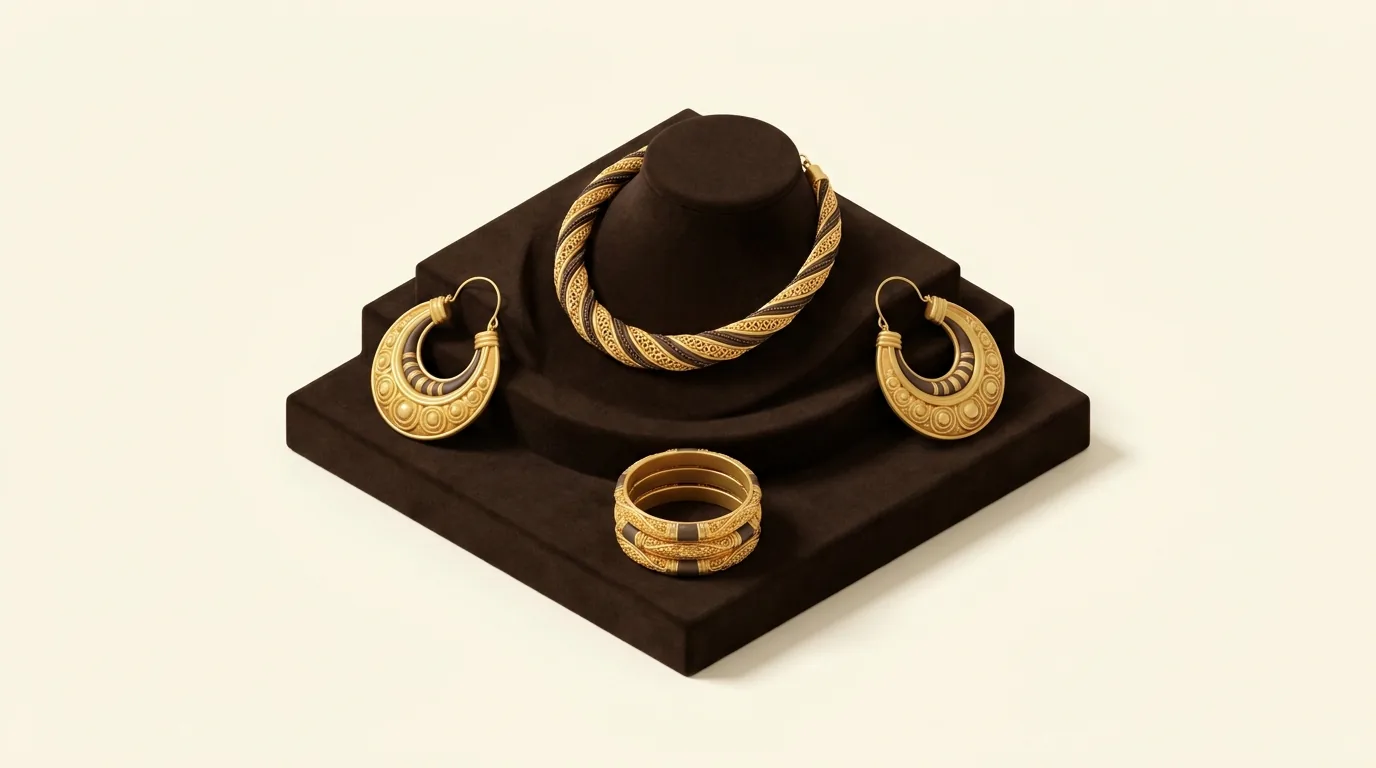
- Ancient Egypt. Gold there was associated with the sun and with eternity. The pharaohs were adorned with necklaces, bracelets, and gold masks, meant to accompany them into the afterlife. The royal tombs revealed a remarkable goldsmithing skill.
- Mesopotamia. The Sumerian and neighboring civilizations already mastered fine techniques for shaping gold into court ornaments.
- The Etruscans. In the Mediterranean, they raised granulation to a very high level — the art of soldering tiny gold beads to form patterns of great delicacy.
In all these cultures, gold was not reserved for beauty: it signaled power, the sacred, and status. To wear gold was to display one's rank.
Why gold was considered a divine metal
One question recurs across the ages: why gold, and not another metal? The answer lies in its unique properties. It does not corrode, does not tarnish, and keeps its shine indefinitely. Where iron rusts and silver blackens, gold remains intact.
For the ancients, this permanence had something supernatural about it. Gold evoked the light of the sun, immortality, lasting wealth. It is this same quality — its incorruptibility — that means an antique piece still keeps all of its material and all of its value today.
From the Middle Ages to the Renaissance: the mastery of detail
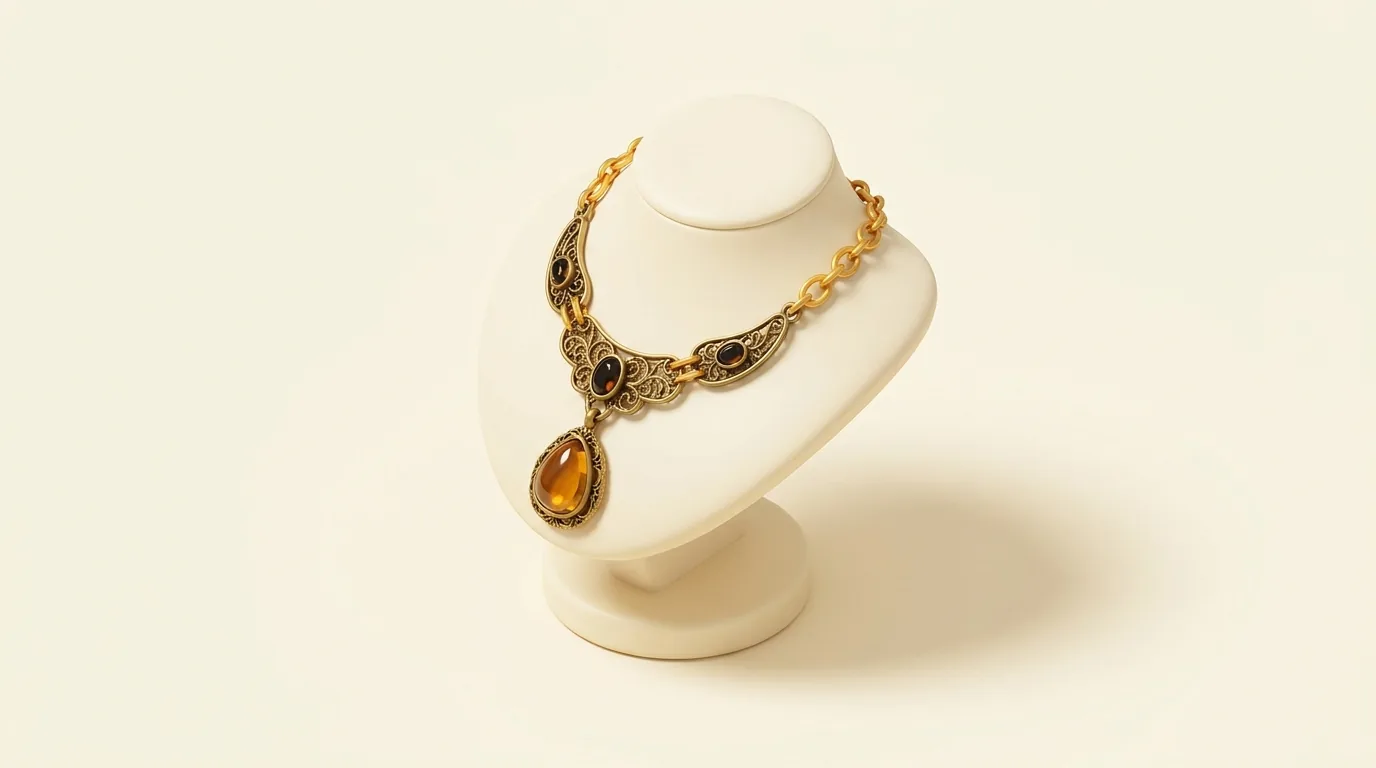
Over the centuries, the working of gold grew more refined. During the medieval period in Europe, gold jewelry was strongly tied to religion: crosses, pendants, liturgical objects, and church ornaments testify both to faith and to opulence.
The Renaissance marked a new artistic surge. Goldsmiths perfected techniques still used today:
- Engraving and chasing, to sculpt patterns into the metal;
- Enameling, to add vivid colors;
- Stone setting, to fix precious stones into the gold.
Jewelry then became true works of art, combining the value of the metal with the talent of the craftsman.
Gold in the modern and contemporary era
Long reserved for the elite, gold has gradually become more widely accessible. Today it is worn by the many and serves a thousand purposes: everyday jewelry, a wedding gift, a symbol of success, but also a safe-haven asset and an inheritance passed down.
Contemporary creation explores new forms, blending tradition and modernity. If these styles interest you, read our article on the different styles of gold jewelry. And everywhere in the world, an age-old practice continues: gold is recycled. An old broken piece is never lost; its gold can be melted down and reborn in another form. This is exactly what happens when you sell gold.
A history that explains its value today
If gold keeps its value after thousands of years, it is no accident: it is the sum of everything that came before. Rare, incorruptible, universally recognized, desired since the dawn of civilizations. Your piece is part of this very long chain. And its value is measured today in very concrete terms: by the karat, the weight, and the global rate of the day, shown on our home page.
Frequently Asked Questions
Is antique gold worth more than recent gold?
As a material, no: gold is bought back by weight and karat, regardless of its age. An antique or collectible piece may, however, have additional value for enthusiasts, independent of its gold weight.
Why does gold never lose its shine?
Because it is a noble metal that does not corrode and does not tarnish. It is precisely this incorruptibility that earned it, throughout history, its status as the precious metal par excellence.
Can you resell an old inherited piece?
Yes. Whether it is antique, out of fashion, or broken, it is the amount of gold it contains that counts. We test it, weigh it in front of you, and give you its real value.
What happens to the gold you buy?
As since antiquity, gold is recycled: it can be melted down to create new jewelry or bars. Nothing is lost, and that is what gives your gold a second life.
Take action: give your gold a new life
From the Egypt of the pharaohs to today's workshops, gold has always known how to keep its value. So does yours, even if it has been sitting in a drawer for years.
To know its value, request a free estimate: send a photo by WhatsApp to +221 78 111 66 87, or make an appointment. We test, weigh in front of you, and pay cash the same day. And if you wish to obtain cash without permanently parting with a family piece, discover gold safekeeping and buyback agreements.