
The most expensive piece in the window isn't necessarily the one that will suit you best. We've all seen a gorgeous chain on someone else... then found it did nothing for us. It's not a question of price: it's a question of harmony between the piece and the person wearing it.
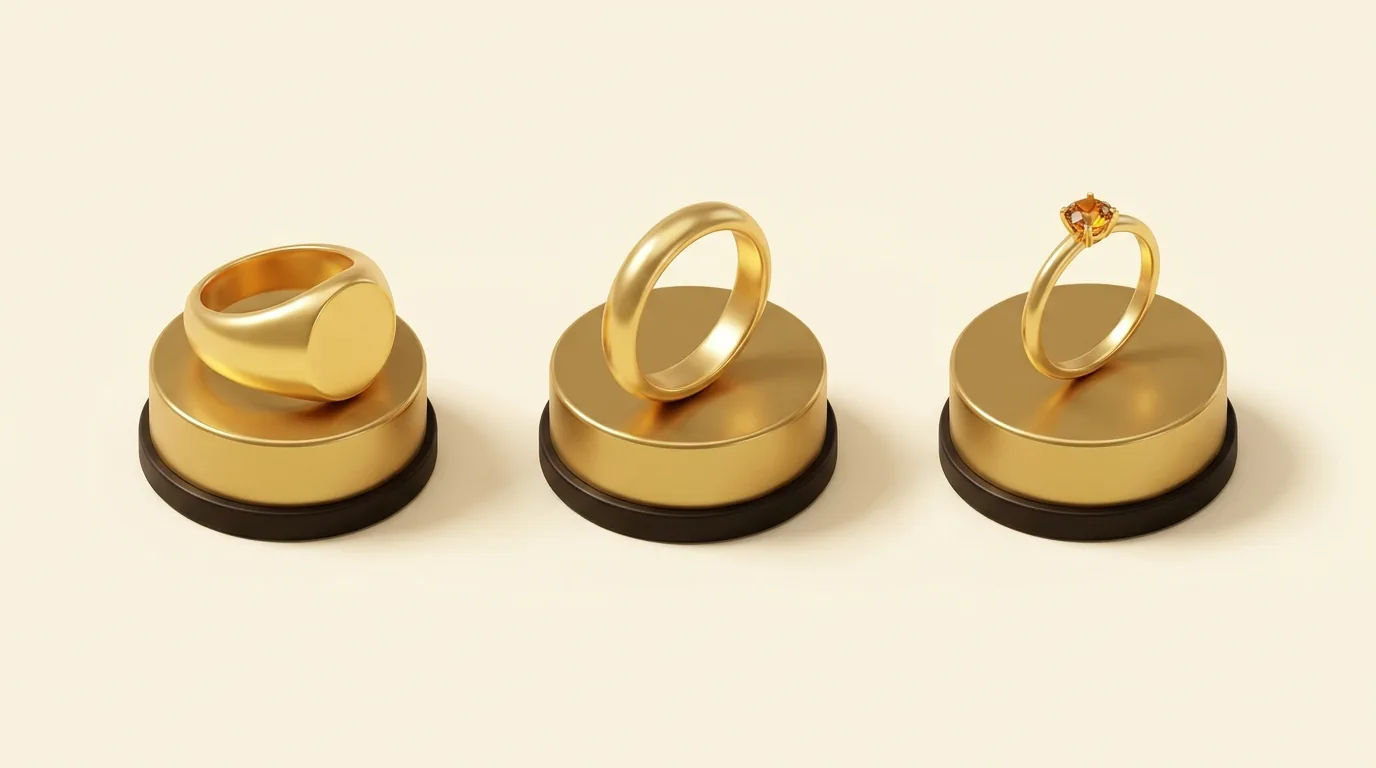
Choosing gold jewelry that truly flatters you comes down to four precise things: the color of your skin tone, the shape of your face, your build and the occasion. Once you understand these guidelines, you stop buying at random — and every piece you wear suits you as if it had been designed for you.
At Jayma Or, we see hundreds of pieces pass through our hands in Dakar every day: yellow, white, rose, 18 and 21 karat, antique and modern. This familiarity with gold, karats and styles lets us advise you honestly. Here, with full transparency, is how to choose jewelry that truly suits you.
In this guide, you'll learn:
- which color of gold (yellow, white, rose) matches your skin tone;
- how the shape of your face changes the choice of earrings and necklaces;
- the mistake almost everyone makes when mixing jewelry;
- how to match your jewelry to the occasion without ever overdoing it.
Start with your skin tone: yellow, white or rose?
It's the most underrated criterion, and yet the most visible. Gold comes in several colors, and each one flatters a different skin type. Try it in front of a mirror, in daylight:
- Warm skin tone (skin with golden undertones that tans easily): yellow gold is your best ally. It warms and brightens the complexion. It's also the most popular gold in Senegal, and that's no coincidence.
- Cool skin tone (skin with pink or lighter undertones): white gold creates an elegant, crisp contrast.
- Neutral or deep dark skin tone: everything suits you, but rose gold adds a soft, modern touch that softens the features.
A simple tip: hold a yellow gold chain, then a white gold one, against your wrist. The one that makes your skin look brighter is the right one. The difference is obvious within a few seconds.
Match your jewelry to the shape of your face
Earrings and necklaces frame your face: they should balance it, not accentuate it. The general rule is to seek contrast with your shape.
- Round face: go for drop or elongated earrings, and long pendant necklaces. They lengthen and slim.
- Long face: studs, round hoops and choker necklaces add width and harmony.
- Square face: rounded shapes (hoops, teardrops) soften the angles.
- Short neck: opt for fine, slightly long necklaces rather than a thick one that "crowds" the silhouette.
What's the shape of your face? If you're unsure, tie your hair back, look at yourself straight on and simply follow the outline: you'll have your answer.
Think proportion and build
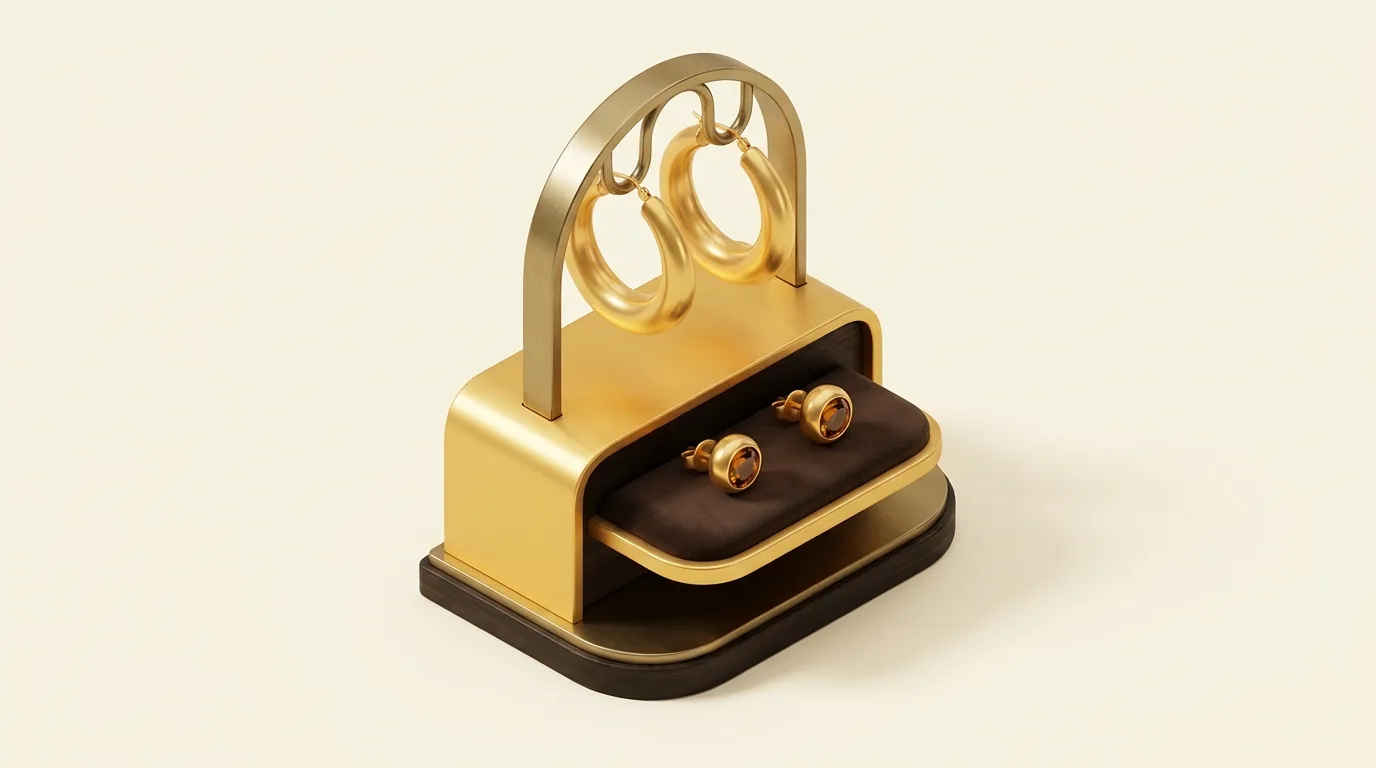
A piece of jewelry should be to your scale. A chunky ring on a slender hand can look overwhelming; a very fine chain on a strong build can disappear. Balance, once again:
- Slender hands and fingers: delicate or medium-width rings flatter without weighing you down.
- Wide wrists: a bracelet or bangle of good thickness holds up better than a thread that's too light.
- Petite build: fine, layered pieces dress you better than a single imposing one.
The most common mistake? Wearing everything at once. One strong piece (a bold necklace, large earrings) is enough to anchor an outfit. Layer discreet pieces, but don't pile on several strong ones: the eye no longer knows where to land.
Choose according to the occasion
The same piece doesn't play the same role depending on the moment. Before you buy, ask yourself when you'll really wear it.
- Every day: bet on solid, simple, comfortable pieces (a fine chain, studs, a wedding band). These are the ones you'll use the most.
- Ceremonies and big occasions (weddings, christenings, Tabaski, Korité): this is the time for richer sets, 21-karat gold, matching ensembles.
- A gift: when in doubt, a classic piece in yellow gold rarely goes wrong. A timeless piece is worn longer than a very trendy one.
And what about the quality of the gold?
Beyond style, a beautiful piece is one made of real gold, whose karat you know. Look for the hallmark: 21K (87.5% gold), 18K (75%), 14K (58.3%). The higher the karat, the richer and warmer the gold's color — but the metal is also softer. 18 and 21 karat offer a good balance between shine and durability for everyday wear.
Knowing the karat also means knowing the real value of your piece. To understand how gold is tested, read our article on the methods for checking the purity of gold. And if one day you decide to part with a piece, know that this value can be calculated down to the gram.
Frequently Asked Questions
Can you mix yellow gold and white gold?
Yes, it's actually very on-trend when it's done with intention. The simplest approach: choose one dominant color and use the second as an accent. Avoid a purely accidental mix, which often comes across as cluttered.
How do I tell if a piece is really gold?
The hallmark is a first clue, but it can be missing or misleading. Only a professional test confirms it with certainty. We test gold in front of you, with no obligation.
Which karat should I choose for a piece I'll wear every day?
18 karat is an excellent compromise: enough gold for a beautiful color, enough alloy to stand up well to daily wear. 21 karat, richer, is perfect for ceremonial pieces.
Are trendy pieces a good buy?
For the fun of it, yes. As a safe value, prefer classic pieces: they're worn longer and their value doesn't depend on a trend, but on the global price of gold.
Unsure before choosing? Ask us for an opinion
You now know how to match the color of the gold to your skin tone, the shape of the piece to your face, and the whole thing to the occasion. The rest is a matter of pleasure.
Before buying or parting with a piece, take advantage of a free, no-obligation expert opinion: send us a photo by WhatsApp to +221 78 111 66 87, or book an appointment. We'll tell you honestly the karat, the quality and the value of your piece.
And if you come across a piece you no longer wear, remember it still has real value: take a look at the day's rate, and in a few minutes you'll know what it's really worth.